

Supporting staff returning to work following cancer treatment

Dr Katie Tryon talks about the importance of two-way communication

Breast cancer is the most common type of cancer among females in the UK[1], with around 56,000 women diagnosed each year[2].
With one woman diagnosed with breast cancer every 10 minutes in the UK [3] – and overall cancer rates on the rise [4] – employers and HR must be well equipped to help staff if they return to work following cancer treatment.
Understanding the nature of this support begins with recognising the treatment journey. Vitality’s Dr Katie Tryon explains that surgery, chemotherapy, and radiotherapy are some of the main forms of treatment for breast cancer. She says that each treatment path can have a different impact.
Understanding the side effects of treatment
Chemotherapy can cause exhaustion, nausea and weight loss, while the side effects of surgery can include pain, bruising and bleeding, according to Dr Tryon.
Particularly for treatment paths such as radiotherapy or chemotherapy, Dr Tryon says that it can be “quite an up and down experience” – therefore employers should be mindful of the individual journey that each person will go on.
Despite these challenges, many women find that returning to work plays a crucial role in their recovery. For example, in the US, more than three-quarters (77%) of women with breast cancer – including those at early and advanced stages of the disease – felt that working helped with their recovery[5].
Aside from financial reasons, women cited personal fulfilment in the workplace and the desire to feel “normal”[5] as drivers for heading back to work.
“Employers can’t underestimate the mental impact that a cancer diagnosis can have on someone,” explains Dr Tryon. “You’ve also got the physical health side of things, as well as the work itself. People can change going through something as shocking as cancer treatment. They may need adjustments physically and mentally, but also in terms of what they want to achieve out of their work life,” she says.
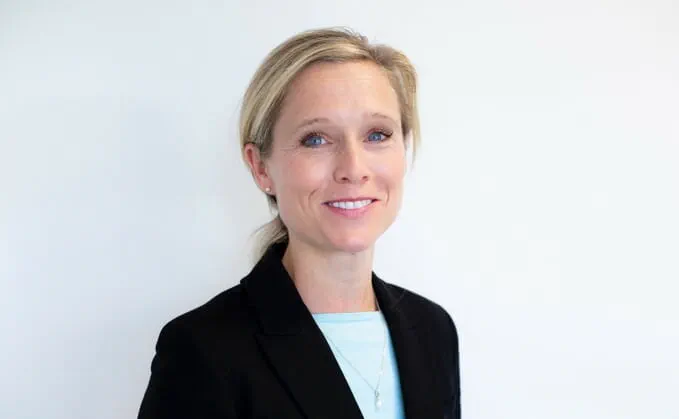
'Employers can’t underestimate the mental impact that
a cancer diagnosis can have on someone'
Dr Katie Tryon, Vitality
Creating a framework that can be tailored to individual needs
Training leaders and line managers on bringing people back to the workplace – including for those who are managing other long-term health issues – will be key. Creating a set of guidelines, and coaching leaders on how to tailor support and responses to individual cases, will enable them to provide help that is more valuable.
Holding sensitive conversations, and equipping managers with skills and capabilities on how to do this appropriately, will be crucial to making this return to work easier for individuals.
Dr Tryon notes that training managers on tackling difficult topics is needed across the board because “managers often find it difficult dealing with mental health issues, chronic issues and neurodiversity too”.
Establishing what support is available and signposting it
Understanding the resources available to signpost to, whether flexible or hybrid working is possible and whether job sharing arrangements can be put in place are key examples.
It is also important to engage in a two-way conversation about returning to work to ensure that employees are ready to return to work and have the necessary levels of support. “Generally, employees want to do a really good job, but if they don’t have the appropriate physical and mental health to do that, it could be really destructive,” she says.
As Dr Tryon sees it, offering flexibility early on is really important so that if an employee is overestimating their ability to go back to work, there is some wiggle room to ramp up or ramp down their commitment.
Nicky’s story
Hear from Vitality member Nicky about how she navigated her breast cancer diagnosis with support from the Vitality Care team.
Support with day-to-day questions and queries
In addition to flexible working arrangements, employers could also look to offer tailored support for those going through cancer treatment. Vitality’s Cancer Support Programme for example can give members who are undergoing chemotherapy access to personalised lifestyle coaching and case management via an app to help them manage the side effects and help with rehabilitation.
“Having a support structure like that for the day-to-day queries, questions, worries and concerns is really crucial,” Dr Tryon says. Access to physiotherapy, dietetic and mental health support on this journey can be accessed through Vitality’s Cancer Support Programme.
While research has found that one in two people in the UK are estimated to develop a form of cancer in their lifetime[6], survivor rates have risen[7]. “There will be more cancer survivors which is brilliant, but we have got to have more tools in our armoury to support people back to work,” Dr Tryon concludes.
To support early detection of cancer, Vitality members with a qualifying health insurance plan can access a cancer risk assessment through our partner Check4Cancer, which can identify if you are at higher risk of five common cancers – bowel, breast, cervical, prostate and skin cancers.
[1] UK cancer statistics, World Cancer Research Fund
[2] Breast cancer statistics, Cancer Research UK
[3] Breast cancer facts and statistics, Breast Cancer Now
[4] NHS diagnoses thousands more cancers as cases rise by 5%
[5] Breast cancer in the workplace, Pfizer
[6] 1 in 2 people in the UK will get cancer, Cancer Research
Related: The surprising truth about cancer prevention at work

Vitality Business Health Insurance
Thinking about taking private health insurance for you and your employees? With Vitality business health insurance, you can:
- Support your employees’ mental and physical health - with award-winning private medical insurance.
- Help them stay healthy and performing at their best - with expert tools, tailored to their health and wellbeing needs.
- Keep them engaged and motivated - with discounts and rewards from our top brand partners.
Recent articles

Grub Club: ‘Healthy, happy people are more productive’
Find out how sustainable pet food company Grub Club uses Vitality to keep the team healthy, supported and able to perform at their best.


Webinar: when cancer enters the conversation
Three Vitality experts join Chief Editor Adam Saville to discuss the crucial role we can play in supporting those impacted by a cancer diagnosis, whether at home, work or in personal interactions.

Why employers should encourage staff to take microbreaks at work
Yetunde Bankole, Head of Mental Health and Wellbeing at Vitality, explains how these mini resets can help to reduce stress and boost concentration in the workforce.
