
What’s increasing your risk of cancer?

Getting cancer isn’t always down to our genes or simply bad luck. Journalist Sally Shore uncovers the everyday habits that could raise your cancer risk, and reveals how to fight back

Half of us will face cancer in our lifetime – and cases are climbing.
Today, around 3.5 million people in the UK are living with cancer, and unfortunately that number is likely to increase.
But, here’s the good news: research shows some cancer risks aren’t set in stone. In fact, simple lifestyle changes could prevent or even reverse them.
A study revealed that around 40% of cases could be prevented – and this is echoed by recent findings that agree everyday choices have a bigger impact on an early death from major diseases than our genes.
“Cancer is a complex disease with multiple causes—from our genetics to how we live and the environments we’re exposed to,” says Vitality's Chief Medical Officer, Dr Harpreet Sarna.
Lifestyle factors play a vital role in preventing a diagnosis and even the smallest of steps can make a big difference.
“We can all lower our cancer risk by limiting alcohol intake, not smoking, eating a balanced diet, staying physically active and taking care in the sun,” Sarna adds.
“Focus on the small wins and what you can do over what you can't”
Jonny Kibble, Head of Exercise and Physical Activity, Vitality
Adopting new lifestyle habits needn’t be a challenge.
Scientists from the University of Sydney found that ‘exercise snacking’ – regular tiny bursts of vigorous movement or exercise for 3.5 minutes per day – was associated with a 17-18% reduction in total cancer risk.
And Vitality’s own research for the Vitality Habit Index showed that people who did 10,000 steps, three times a week for three years, saw a 19% and 36% reduction in stage 3 and stage 4 cancer, respectively.

Eating too many ultra-processed foods
In 2023, Dr Chris van Tulleken made ‘ultra-processed foods’ (UPFs) a household term with his best-selling book Ultra-Processed People. “If it’s wrapped in plastic and has at least one ingredient you wouldn’t usually find in a standard home kitchen, it’s a UPF,” he wrote.
Ultra-processed foods can indirectly increase cancer risk because they’re often high in salt, sugar and saturated fats, and eating too much can cause weight gain.
In turn, being overweight and obese increases the risk of 13 different types of cancers.
Try this tip: Make extra portions when cooking from scratch and freeze them for healthy meals when you're short on time.
Not finding time for physical activity
Being overweight and obese is the second largest cause of cancer (after smoking), so it’s important to keep a healthy weight.
“Focus on the small wins and what you can do, over what you can’t,” explains Jonny Kibble, Vitality’s Head of Exercise and Physical Activity.
“You may not have time to exercise for an hour, three times a week, but can you find 10 minutes a day to move in a way that you find enjoyable?”
For those who work from home, he advises creating a ‘fake’ commute by doing a small walk before starting your day and doing regular stretches.
“Every 45-60 minutes, get away from your desk, then have a little stretch and move around the house.”
And what if you’re too busy for exercise?
“Take the stairs rather than the escalator, have walking meetings at work, or make silly rules at home like doing five squats before going through a doorway,” adds Kibble.
“If you’re time-poor, it’s about figuring out what you can do and reframing what ‘exercise’ looks like for you.”
Try this tip: Sign up for your local parkrun – a free 5km event every Saturday morning focussed on community and fun. Each time you run, jog, walk or volunteer, you’ll earn Vitality points to access Vitality rewards. Just register at parkrun and print your barcode before you go.
Ready to take control of your health? Take just 30 minutes out of your day for this bodyweight workout with Vitality Ambassador Dame Jessica Ennis-Hill.
Skipping sunscreen on cloudy days
Even on cloudy days, the UK sun can be strong enough to burn or damage skin from mid-March to mid-October.
As Vitality’s Dr Yvonne Umebuani Beresford, notes: “The issue is when sun damage builds up bit by bit,” so it’s sensible to take precautions throughout this period – even when it doesn’t feel hot.
Experts at Cancer Research UK advise checking the weather forecast: if the ultraviolet (UV) index is three (moderate) or above, protect your skin by following these sun safety guidelines.
Almost nine out of 10 UK cases of melanoma, the most serious kind of skin cancer, could be prevented just by staying safe in the sun and avoiding sun beds.
If you have a Vitality health insurance plan and are worried about a mark or mole on your skin, you can access a Skin Analytics Service.
You just need to book a virtual Vitality GP appointment and if needed, the Vitality GP can arrange for a Skin Analytics kit to be sent out to your home.
Not a Vitality member? Get a quote today.
Try this tip: Download the Met Office weather app or SunSmart Global UV app to check your local area’s UV forecast.
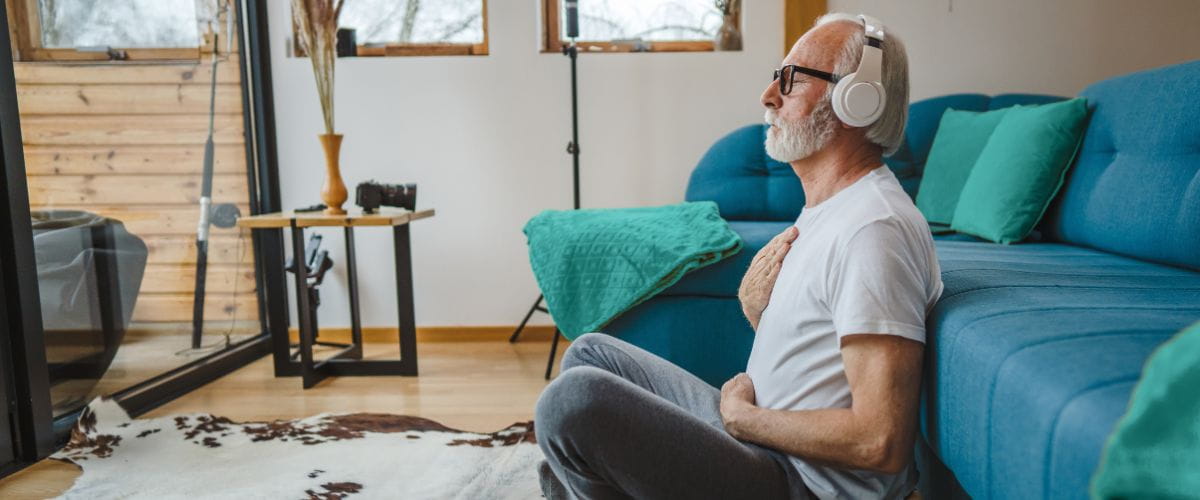
Relying on unhealthy coping strategies
When we’re stressed, we’re more likely to smoke and drink, and exercise less – all factors that can lead to increased cancer risks.
“These might make us feel better in the short-term but long-term, they can result in poor physical and mental health, and increase our stress levels even further,” explains Yetunde Bankole, Vitality’s Head of Mental Health and Wellbeing.
While it’s not always possible to reduce or eliminate what’s causing the stress, Yetunde advises learning to recognise when it’s building up.
“Reflect on how your day is going and do regular check-ins with yourself to monitor your stress levels.
“Try and take a break from everything – it might involve going for a walk, completing a mindfulness exercise or enjoying a moment of silence,” she says.
Try this tip: Practise being fully present in the moment. Bring mindfulness to your walks, mealtimes and breaks, paying attention to thoughts, emotions or sensations in your body.
Forgetting to book health screenings
When it comes to check-ups and screenings, it’s easy to put them at the bottom of your to-do list.
But with one in two of us likely to get cancer, having one can help detect cancer early to improve your chances of a positive outcome.
Detecting cancer early helps survival rate and makes it far more treatable. Five-year breast cancer survival is around 99% when caught early, versus 27% when diagnosed late.
The NHS offers three screening programmes for cancer: bowel, breast and cervical, and will send you an invite if eligible.
Try this tip: Book an annual health check in your birthday month to jog your memory when the next one’s due. This general check-up can help you make informed decisions about your health and lifestyle to reduce cancer risks. Vitality members can book an annual health check through their plan at no extra cost and earn points too*. Find out more about Vitality health insurance on our website.
If you would like to know more on how health insurance with cancer cover works and your plan options visit here: Health Insurance with Cancer Cover Guide | Vitality
*For personal health insurance plans, one adult member can have one Vitality Healthcheck without charge, per plan year. For business and corporate plans, the principal member can have one Vitality Healthcheck without charge, per plan year. All other adult members on a plan are eligible for a Vitality Healthcheck available at £15. For Life members with a Vitality Plus plan, the principal member is eligible for a Vitality Healthcheck for £0 in their first plan year. Any further health checks on the plan will be charged at £12.50 per adult. For Life members with a Vitality Select plan, all adults on the plan are eligible for a Vitality Healthcheck for £12.50.
To support early detection of cancer, Vitality members with a qualifying health insurance plan can access a cancer risk assessment through our partner Check4Cancer, which can identify if you are at higher risk of five common cancers – bowel, breast, cervical, prostate and skin cancers.

Vitality Healthcheck
To help you make informed decisions about your health, Vitality members can have an annual health check through our partner, Bluecrest.
One health check is included each plan year on health plans, one included on the first plan year for selected life plans.
Recent articles

The fundamentals of sleep: Why quality rest is essential for your health
Sleep isn’t just ‘switching off’, it’s active recovery for your brain and body. New research drawing on more than 47 million nights of tracked sleep suggests that building consistent sleep habits could support long-term health in a big way. Here’s what quality sleep really means, why regularity matters as much as hours, and a few simple habits to help you wind down tonight


Why do we sleep? The science behind our need for rest
The truth behind why we sleep still baffles some scientists. However, with emerging research still shedding light on this after-dark phenomenon, new findings from Vitality have gone even further to show the physical and emotional benefits of a decent night’s kip


Power napping: Is it worth it (and how do you do it properly)?
Power nap or push through? A short snooze might be the reset your brain’s asking for – but only if you keep it brief. Here’s how to nap to boost energy (not grogginess), plus what Vitality’s latest sleep research says about why consistency matters

- Private healthcare from as little as £1.45 per day1
- Rated 5 Star by Defaqto
- Get healthy to earn rewards like Apple Watch
1 Price is based on the following criteria: a 35-year-old based in Peterborough, plan start date April 2025, Full Medical Underwriting, Consultant Select hospital option, £250 excess and £500 out-patient benefit and includes Insurance Premium Tax (IPT)