
Midlife without the crisis: How to feel your best and thrive in 2026

Midlife doesn’t have to be a crisis. In fact, it can be a period of fulfilment, joy and reinvention – so what do you need to do to ensure you are having a healthy midlife in 2026?

Our midlife years can feel like a squeeze; whether that’s juggling parenting, careers and caring for elderly parents, all while trying to carve out time for our own wellbeing.
It’s no wonder that for many, entering this life stage can feel daunting.
But less so is midlife a time for slowing down – maybe even fading into the background. Instead, it has fast become a vibrant and fulfilling phase of life – one where we can redefine what it means to be ‘young’ and embrace new adventures with confidence and joy.
According to Mintel’s 2026 Global Consumer Predictions, “traditional life stages are blurring as longevity increases and milestones become fluid,” with more people “seeking fulfilment across an extended middle of life.”
It also reveals that people are embracing “second or even third acts,” from changing careers to picking up long-postponed passions. In other words, the best years might still be yet to come, despite navigating a unique set of challenges.
“People who remain physically active into their 50s and 60s gain around seven extra years of healthy life expectancy”
Marie Edison, Head of Medical Policy, Vitality
Finding fitness
Four in 10 adults in their midlife (i.e. in their 40s to 60s) don’t manage even one brisk 10-minute walk a month, according to Public Health England.
“That’s a striking sign of how squeezed this life stage can be,” explains Marie Edison, Vitality’s Head of Medical Policy.
“The key challenge is that this group often acts as caregivers but not self-carers.”
In our 40s and 50s, the body begins to change in ways that can feel unfamiliar. Aches and pains may become more frequent and muscle mass naturally starts to decline – a process known as sarcopenia.
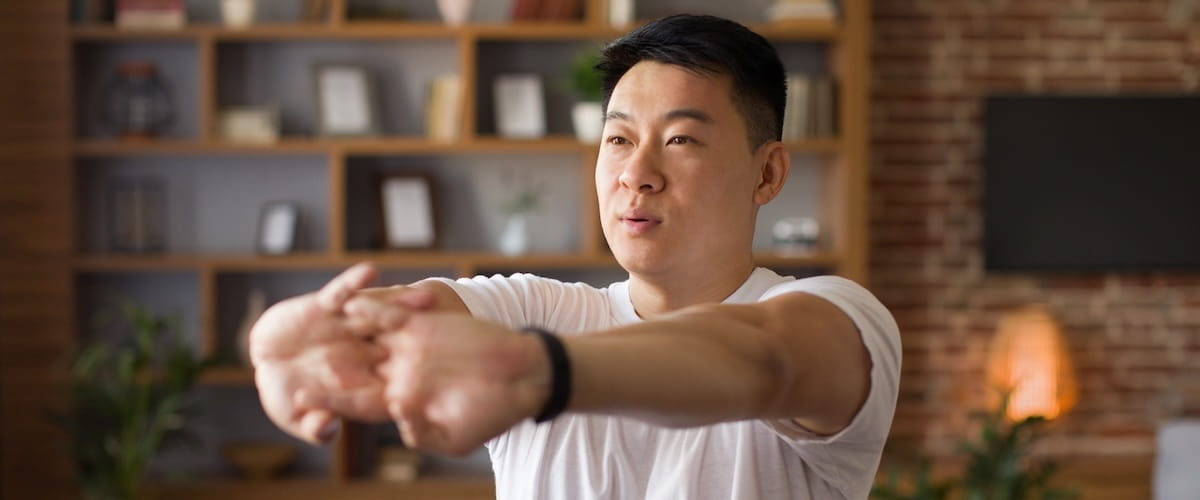
But regular movement, especially strength training and mobility work, can counteract these shifts.
Edison adds: “Staying active in midlife reduces the risk of heart disease, strokes, diabetes, osteoporosis and dementia – the leading causes of later-life disability.
Even small amounts of activity matter as exercising once or twice weekly reduces cardiovascular risk by up to 30%.
“Meanwhile, people who remain physically active into their 50s and 60s gain around seven extra years of healthy life expectancy compared with their inactive peers.”
But the idea of getting fit in midlife can feel intimidating – especially if exercise hasn’t been a regular part of life for some time.
“Over the years I realised that to preserve my body, I needed to prioritise wellness and wellbeing”
Tracey Neville, Vitality Ambassador
There’s often a fear of not knowing where to begin, or of feeling out of place in environments that seem geared towards the younger generations.
The truth is, though, fitness in midlife doesn’t have to be about chasing performance or aesthetics – it’s about reclaiming energy and confidence, which ultimately, allows us to take control of our health.
The key is to start small and build gradually, focusing on consistency rather than intensity and that simple act of movement can be the gateway to a more active lifestyle.
How Vitality’s Ambassadors stay active in their midlife
Jonny Wilkinson, 46

“Mostly I’ll walk in nature and I do that every morning. Every other day I’ll do something in the gym and play sport. On top of that I stay active with my daughter, whatever she’s up for I’m in”
Tracey Neville, 49
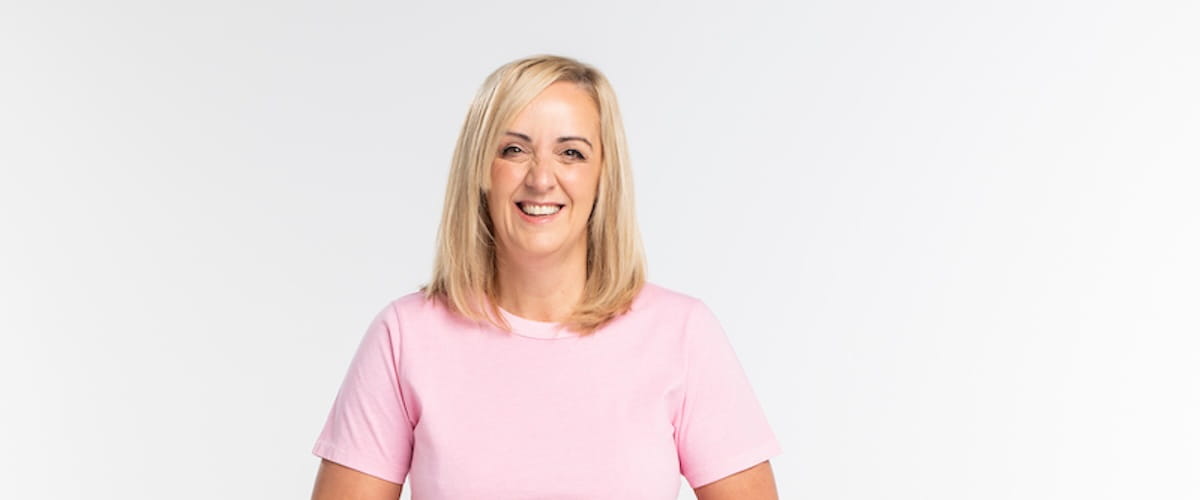
“I do Pilates now which I never did years ago. Not only does it maintain me from staying injury free, but also it’s a real stress reliever, it’s really calming.”
Gabby Logan, 52
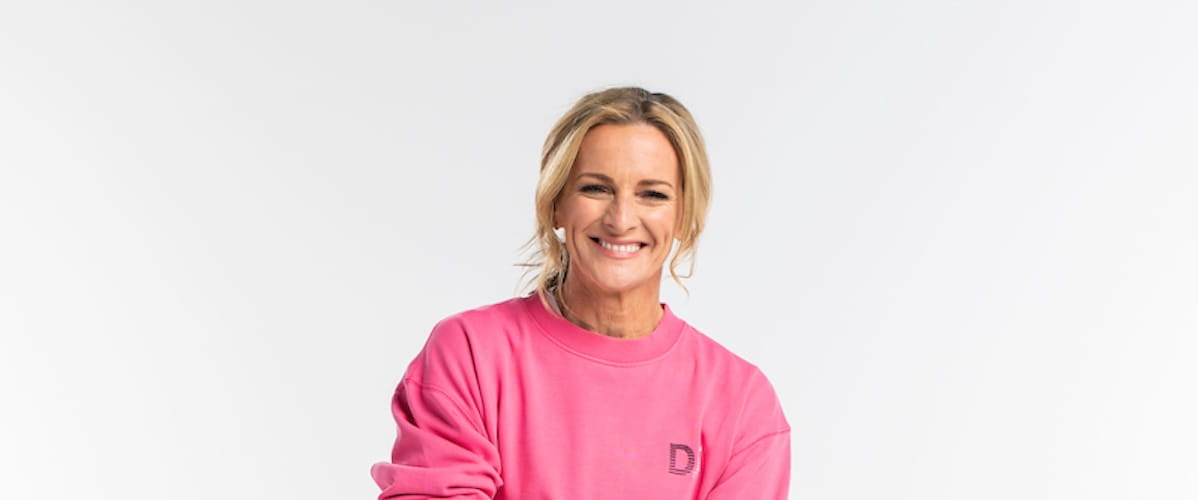
“I don’t feel the need to do these big endurance events anymore. I use weights a few times a week and I also do Pilates as well as some walking or running. These are the things that work for me.”
One step at a time
Take Vitality Ambassador Tracey Neville, for example. “Having played netball at the highest level, all our activities were intense, hard and always working to your maximum,” she says.
“Over the years, I realised that to preserve my body, I needed to prioritise wellness and wellbeing. I now do a lot of walking and activities with Nev, my little boy.
She adds: “Before having children, I used to procrastinate about doing exercise but now that I’m a mum, I don’t have much time.
“So, I try not to focus on the outcome of exercise – instead I focus on the time that it gives me away from the busyness of life.
“Even the process of putting on my gym kit, getting in the car and going to the gym is important as it gives me some time and space away from everything.”
Watch Tracey Neville's Day in the life with Vitality below
Starting with walking allows the body to adapt gently, reducing the risk of injury and building a foundation for more varied activity later on.
Over time, these short walks can evolve into longer sessions, or be complemented by strength training, swimming or cycling, depending on what feels enjoyable and sustainable.
The most important thing is to choose activities that fit into your life and bring you a sense of achievement, not pressure.
“Short, manageable sessions like 10-15 minutes of walking, stretching or bodyweight exercises from home can make a real difference,” says Jonny Kibble Vitality’s Head of Exercise & Physical Activity.
“Consistency matters more than intensity or finding the ‘perfect routine’ at the start,” he explains.
“Treat exercise as a non-negotiable calendar item. Even one 15-minute slot a day can make a difference. Add it to your work calendar, so people don't book over it.”
Kibble also recommends modalities like yoga, Pilates and stretching are particularly beneficial in our 40s, while strength training becomes essential in our 50s to protect bone density and maintain functional fitness.
“The saying of ‘use it or lose it’ is never truer than in midlife”
Gabby Logan, Vitality Ambassador
Something Born Barikor, founder of Our Parks, a programme that provides free outdoor exercise classes, and friend of Vitality, has found as he moves into midlife.
“Warming up is so important for me, I don’t jump straight out of bed and into exercise. Mobility and cooling down is part and parcel of my fitness regime.
“I do lots of yoga, which for me is a massive change in direction to what I used to do.
“I used to want to be fast and sweat. But now I want to feel the benefit of the stretch and meditate, it’s so good for your mental and physical health.”
‘It’s never too late’
Edison says that by no means is your midlife too late to make a change.
“It’s never too late – even starting at 50 can reverse years of inactivity and improve blood pressure, mood and muscle mass within months,” she explains.
“See your GP first if you have any chronic condition, are on medication or haven’t exercised in years. A simple check of blood pressure, glucose and heart health helps tailor a safe start.”
The important thing to remember is that there isn’t a perfect plan, but starting with simple and sustainable exercises, whether that’s walking or bodyweight exercises at home.
Over time, these small actions add up to stronger muscles, better mood and more resilience.

Midlife is the right time to invest in yourself, not to crash out in crisis.
Meanwhile, Vitality Ambassador, Gabby Logan, explains how there can be a temptation for those who are already active to row back on their exercise regime.
“The saying of ‘use it or lose it’ is never truer than in midlife,” says the broadcaster.
“Once you stop, that's when it's very difficult to kind of expect your body to do what it did before – there’s no point stopping now.”
Ultimately, she says: “Middle age doesn’t have to be beige and that you disappear into the background and you no longer are consequential.
“Getting to the age of 56 is not old, there is so much more to go on and a lot more to give, too.”
Couldn’t have said it better myself.
Related: How regular exercise can help to reduce dementia risk

Vitality Healthcheck
To help you make informed decisions about your health, Vitality members can have an annual health check through our partner, Bluecrest.
One health check is included each plan year on health plans, one included on the first plan year for selected life plans.
Recent articles

The fundamentals of sleep: Why quality rest is essential for your health
Sleep isn’t just ‘switching off’, it’s active recovery for your brain and body. New research drawing on more than 47 million nights of tracked sleep suggests that building consistent sleep habits could support long-term health in a big way. Here’s what quality sleep really means, why regularity matters as much as hours, and a few simple habits to help you wind down tonight


Why do we sleep? The science behind our need for rest
The truth behind why we sleep still baffles some scientists. However, with emerging research still shedding light on this after-dark phenomenon, new findings from Vitality have gone even further to show the physical and emotional benefits of a decent night’s kip


Power napping: Is it worth it (and how do you do it properly)?
Power nap or push through? A short snooze might be the reset your brain’s asking for – but only if you keep it brief. Here’s how to nap to boost energy (not grogginess), plus what Vitality’s latest sleep research says about why consistency matters

- Private healthcare from as little as £1.45 per day1
- Rated 5 Star by Defaqto
- Get healthy to earn rewards like Apple Watch
1 Price is based on the following criteria: a 35-year-old based in Peterborough, plan start date April 2025, Full Medical Underwriting, Consultant Select hospital option, £250 excess and £500 out-patient benefit and includes Insurance Premium Tax (IPT)