
7 foods that are good for your bones and joints

Nutritionist Sarah O’Neill walks through the best foods to keep our bones and joints healthy and ward off skeletal problems such as osteoporosis

With skeletal problems such as osteoporosis affecting three million people in the UK, it’s becoming more important to look after our bone health.
As we age, we lose calcium and other minerals from our bones and this causes our bone density to reduce, with bones become thinner and more brittle.
The menopause can lead to women being even more vulnerable, as the drop in oestrogen during the process causes the bones to weaken.
Weight-bearing exercises such as weight-training, jogging, climbing stairs and tennis can offset the problem, as they help to increase our storage of calcium – the mineral that helps to strengthen the bone structure.
Eating calcium-rich foods also has a huge impact on our bone health.
700mg calcium a day is the recommended amount for all adults, increasing to 1,200mg for post-menopausal women. Nutritionist and personal trainer Sarah O’Neill shares 7 of the best sources.
1. Tofu
Not just for vegetarians and vegans, tofu is an excellent source of calcium – about 200mg in a 60g serving. Don’t like the wobbly texture?
Try scrambling soft tofu with courgette, mushrooms, peppers and some ground spices for a delicious high-protein, low-fat dish. Or buy the firm variety and toss it into your stir-fry.
Try our smoky tofu burrito bowl – it's one the whole family will love!
2. Edamame or soya beans
Edamame beans are packed with 200mg calcium per serving. Buy them at the supermarket (you can buy them frozen, too) for a great snack on the go.
3. Bony fish
Fish such as sardines, pilchards and canned salmon contain up to a third of our daily calcium needs – the tiny, edible bones are a great calcium source.
They also provide a boost of omega 3s for brain and heart health and will help you with your vitamin D intake, which is necessary for us to absorb calcium.
Try serving with a green salad, or stuffed into a pitta with leaves and cucumber.
4. Okra
This veg is also known as ladies’ fingers because of its long shape.
Often used in African stews or Asian dishes, okra has a similar taste and texture to aubergine and a serving contains around 82mg calcium.
You’ll find it in most international supermarkets. Try it in a curry or soup – the longer you cook it, the gooier the texture!.
5. Green leafy vegetables
Vegetables such as broccoli, kale, spinach and spring greens provide both high levels of calcium (around 245mg in a serving of kale), and plenty of vitamin K and folate – key for bone strength.
Try steaming lightly alongside fish or chicken seasoned with spices or citrus.
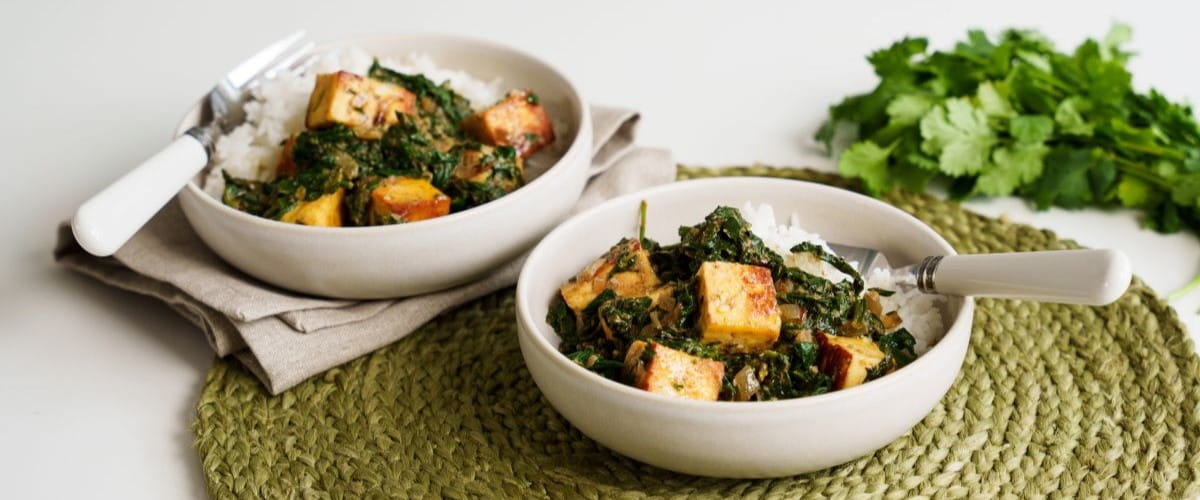
Why not try one of our spinach-based recipes to boost your health: 3 spinach recipes to boost your wellbeing | Magazine | Vitality.
Pictured below is our spinach and paneer curry.
6. Milk, cheese and yogurt
Unsurprisingly, dairy products are the richest and best-known source of calcium. A serving of yogurt, cheese or milk provides between 150-250mg of it.
Skimmed milk contains more calcium than whole – but have it without your cuppa every now and again as caffeine can reduce calcium absorption.
Hard cheeses contain more calcium than soft, with parmesan top of the leaderboard.
7. Calcium-fortified foods
There are a range of calcium-fortified products on the market including cereals, breads and drinks such as orange juice – look out for the labels! For those on dairy-free diets, oat, rice and soya milks tend to be fortified with calcium too.
And don’t forget to dose up on vitamin D…
Vitamin D is needed for our bodies to absorb calcium, and the best source is sunlight. Being outside in the warmer months three times a week for just 15 minutes should be enough for most people.
The NHS now advises that elderly and pregnant and breastfeeding women might consider taking a 10mcg supplement of vitamin D during the autumn and winter months.
Related: Why is it so difficult to make healthy food choices?

Vitality is making it easier to eat healthily with Waitrose & Partners.
Eligible members can get up to 40% cashback on products with the Good Health logo when they get active.
Visit the Vitality app for more details. A monthly spending cap and terms and conditions apply.
Recent articles

7 foods that could help with anxiety (expert-backed picks)
Did you know that certain foods could help to reduce symptoms of anxiety? Find out the top picks from our expert, Andrew Isaac, Vitality’s Nutrition and Exercise Advisor reveals more

The fundamentals of sleep: Why quality rest is essential for your health
Sleep isn’t just ‘switching off’, it’s active recovery for your brain and body. New research drawing on more than 47 million nights of tracked sleep suggests that building consistent sleep habits could support long-term health in a big way. Here’s what quality sleep really means, why regularity matters as much as hours, and a few simple habits to help you wind down tonight

Why do we sleep? The science behind our need for rest
The truth behind why we sleep still baffles some scientists. However, with emerging research still shedding light on this after-dark phenomenon, new findings from Vitality have gone even further to show the physical and emotional benefits of a decent night’s kip

- Private healthcare from as little as £1.45 per day1
- Rated 5 Star by Defaqto
- Get healthy to earn rewards like Apple Watch
1 Price is based on the following criteria: a 35-year-old based in Peterborough, plan start date April 2025, Full Medical Underwriting, Consultant Select hospital option, £250 excess and £500 out-patient benefit and includes Insurance Premium Tax (IPT)